
I have always loved birds, but parrots, parakeets, and macaws occupy a particularly special place in my life. Visiting Macaw Mountain in Copán Ruinas, Honduras, was therefore much more than another opportunity to carry a camera somewhere beautiful. It was the chance to spend time close to some of the birds I admire most and to understand the work required to protect them.
Macaw Mountain is a bird rescue, rehabilitation, and care center set within a forested valley near the town of Copán Ruinas. Walking through the park brings together two experiences that are easy to separate in everyday life: the visual wonder of seeing these birds at close range and the responsibility involved in their long-term care.
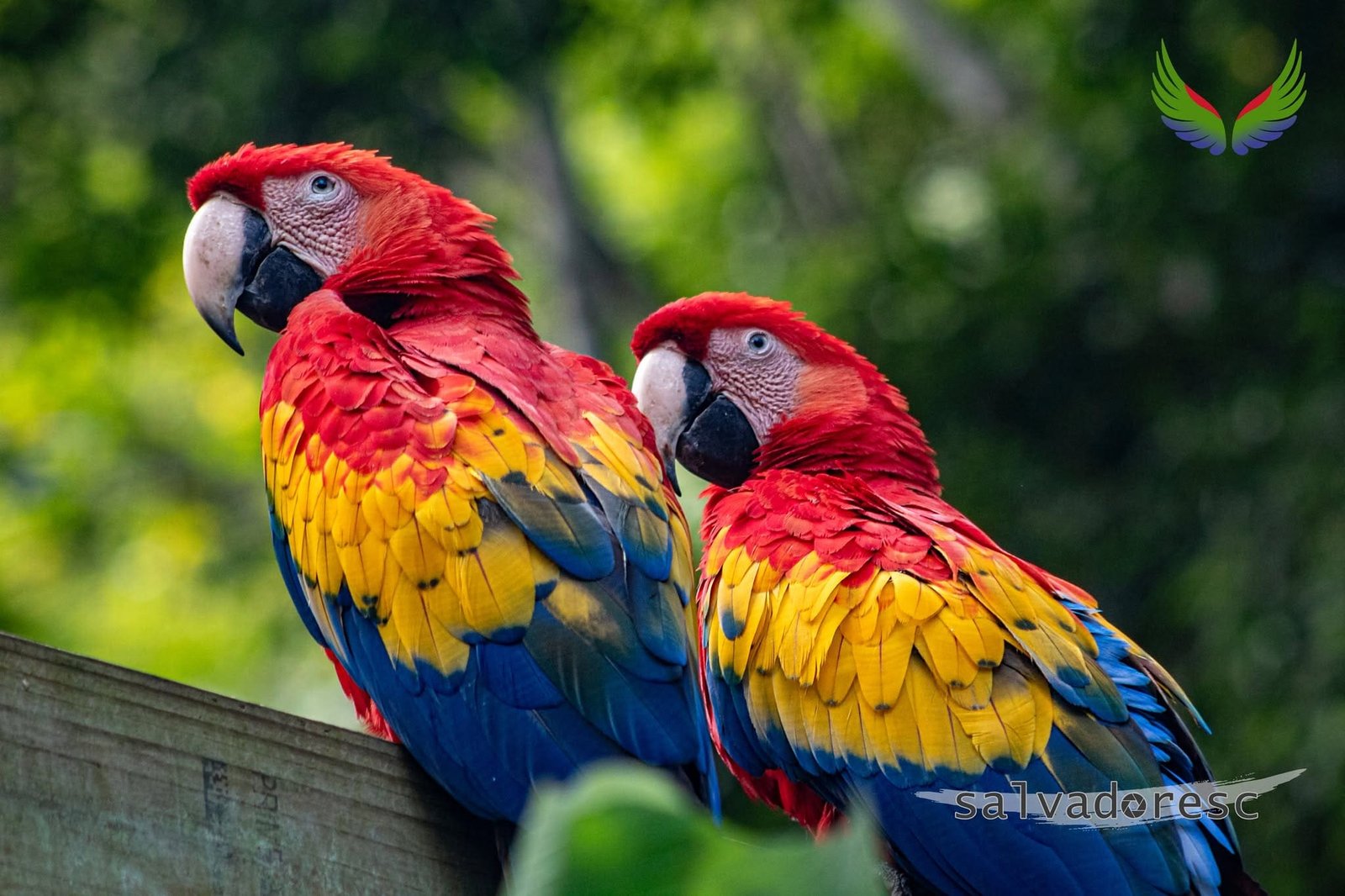
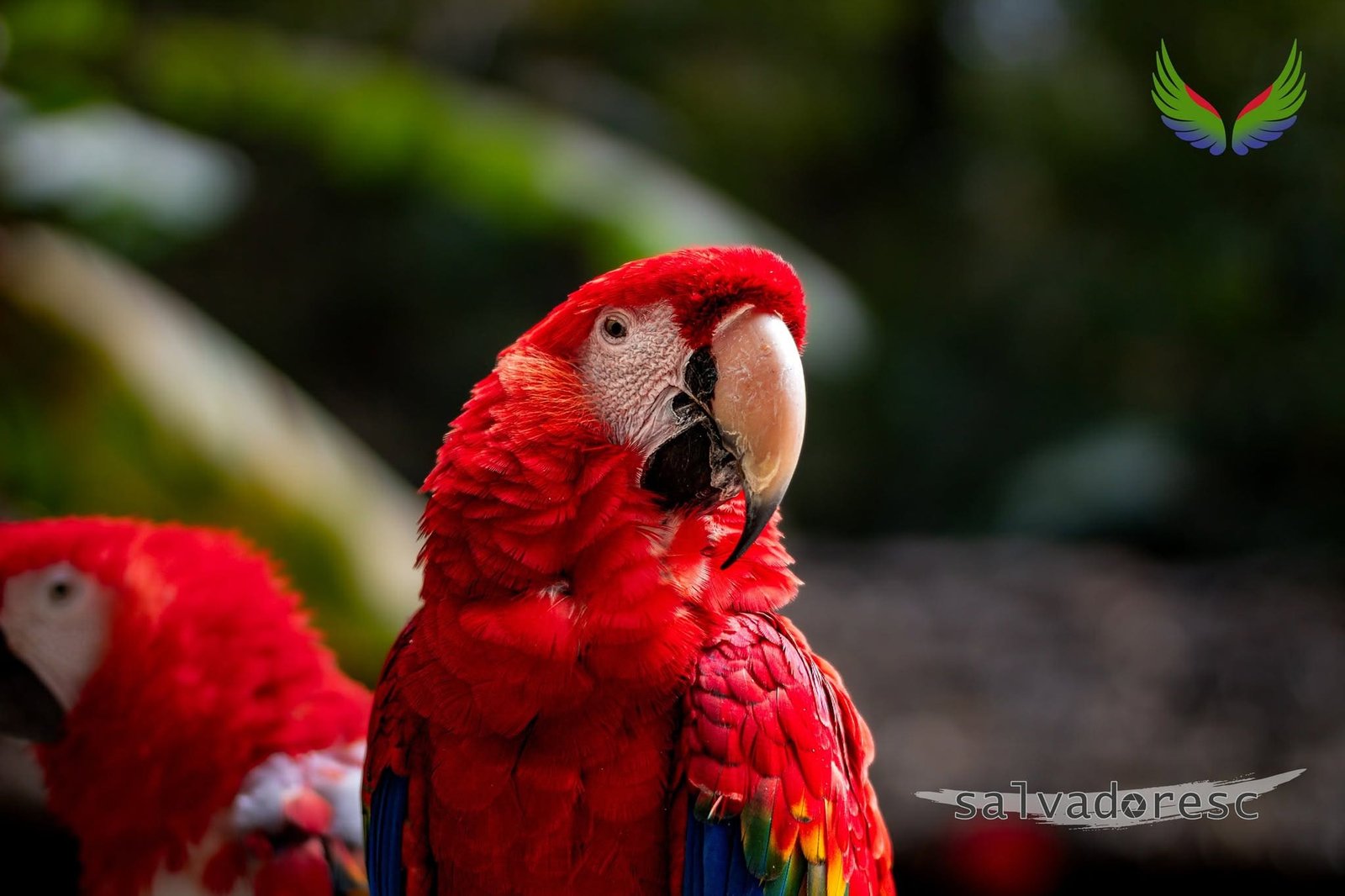
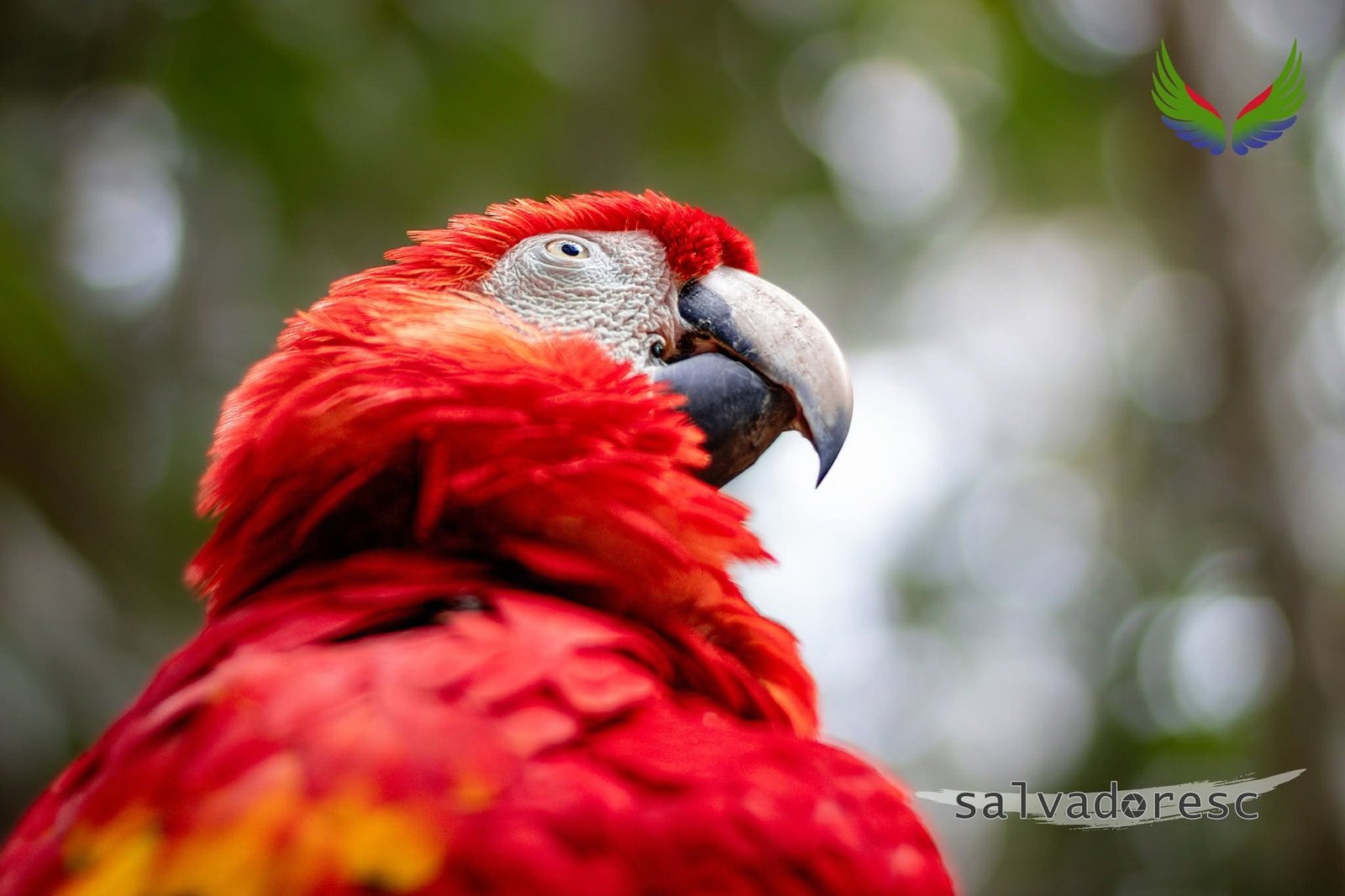
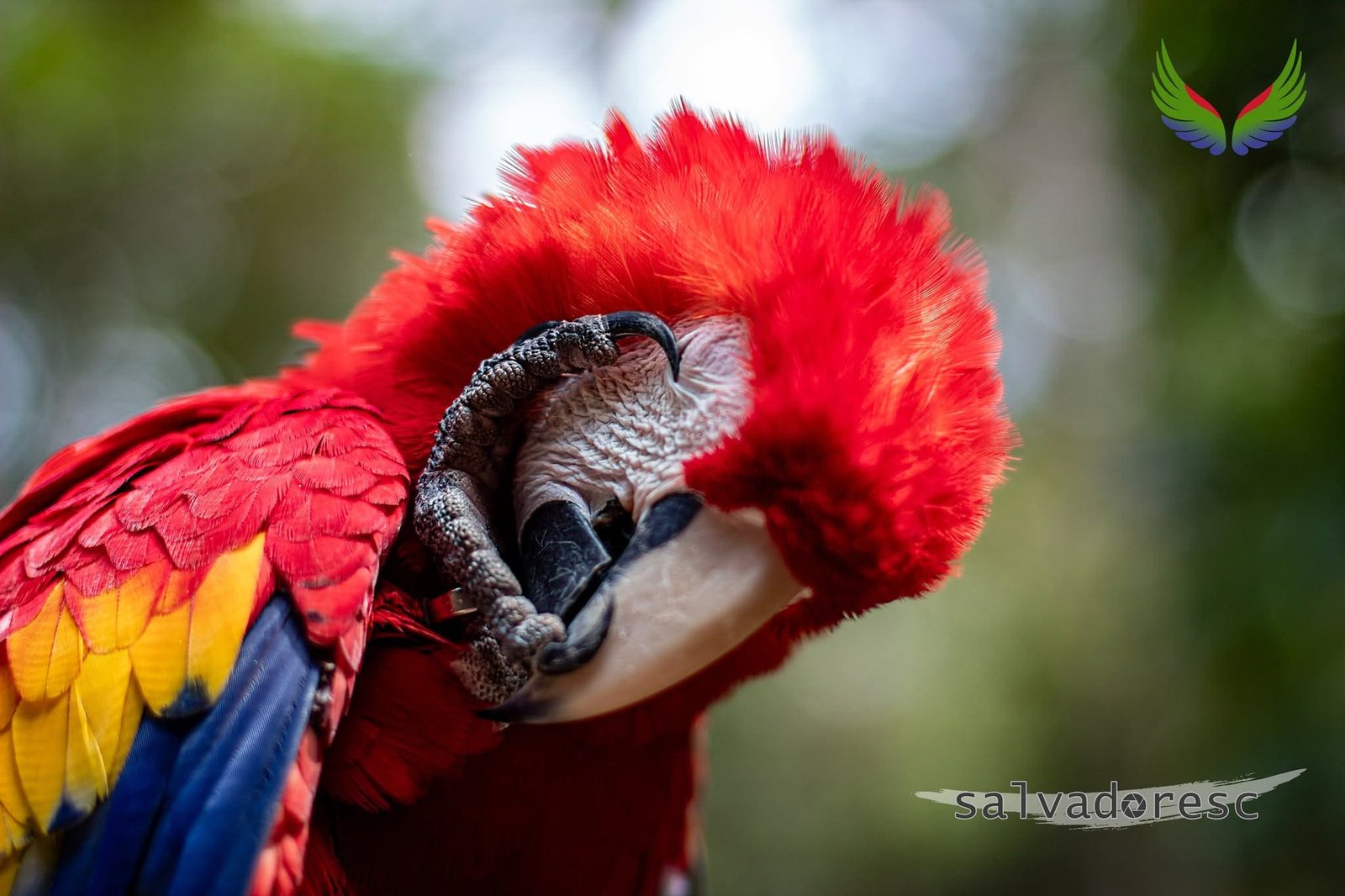
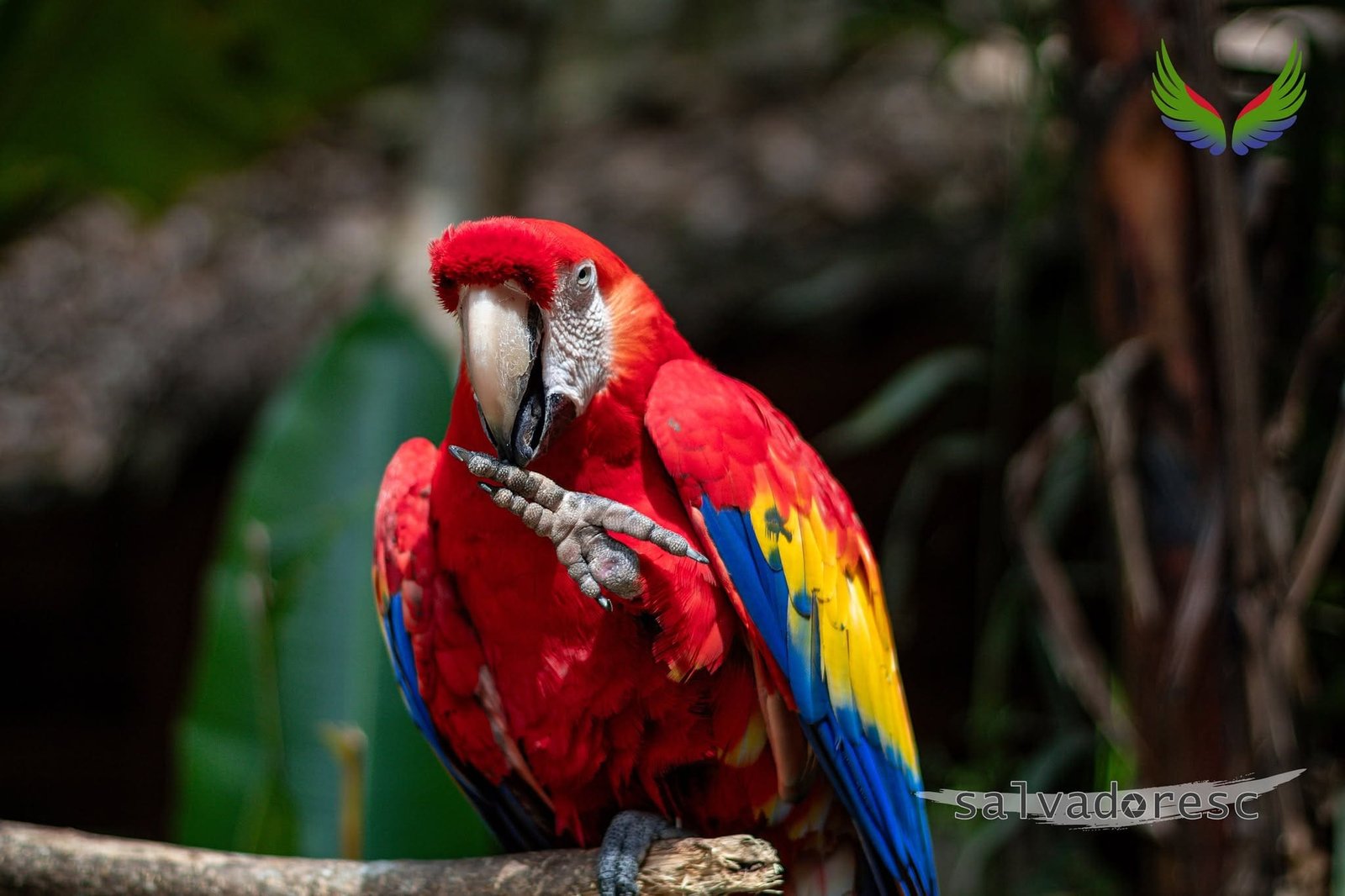
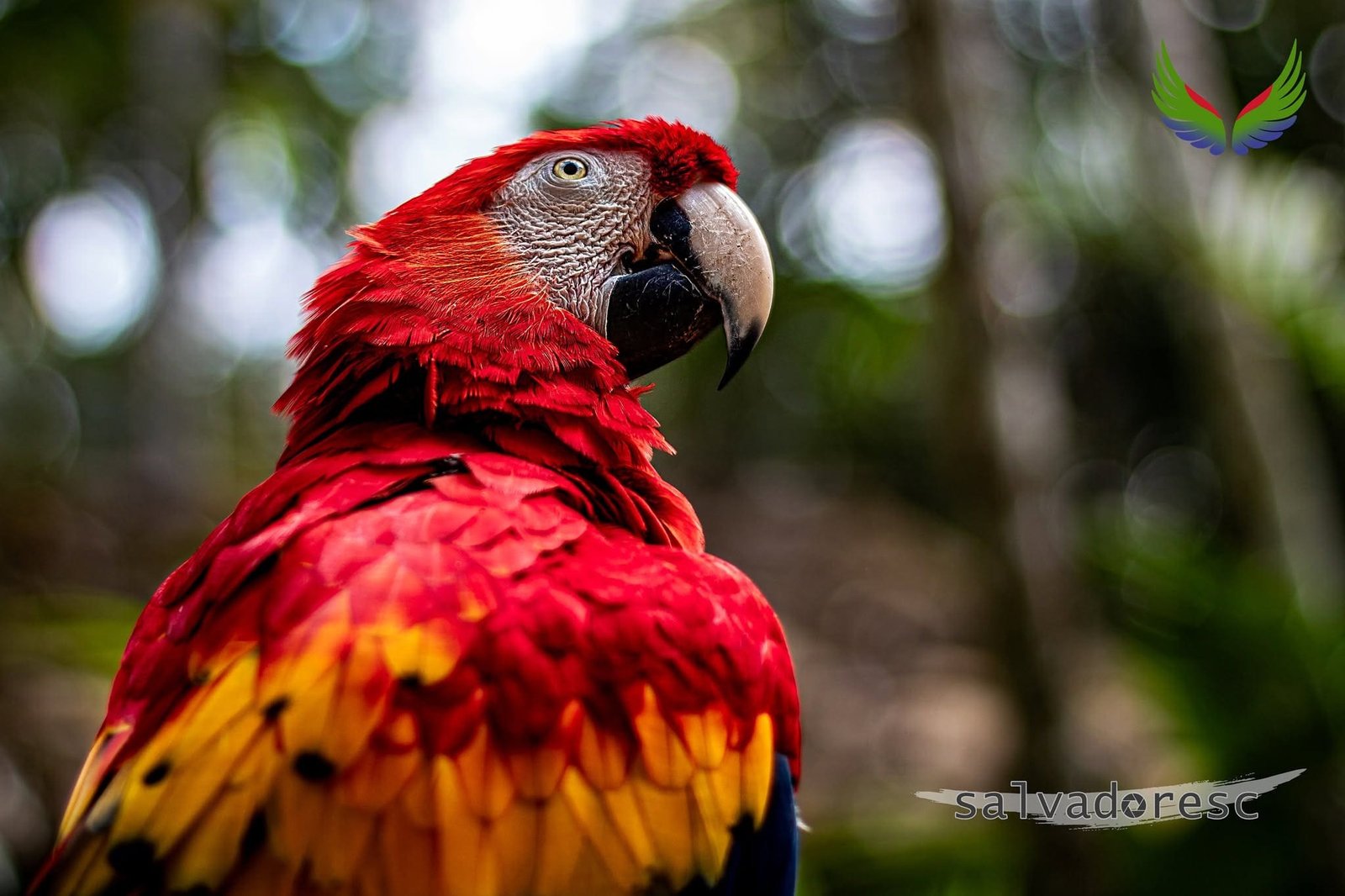
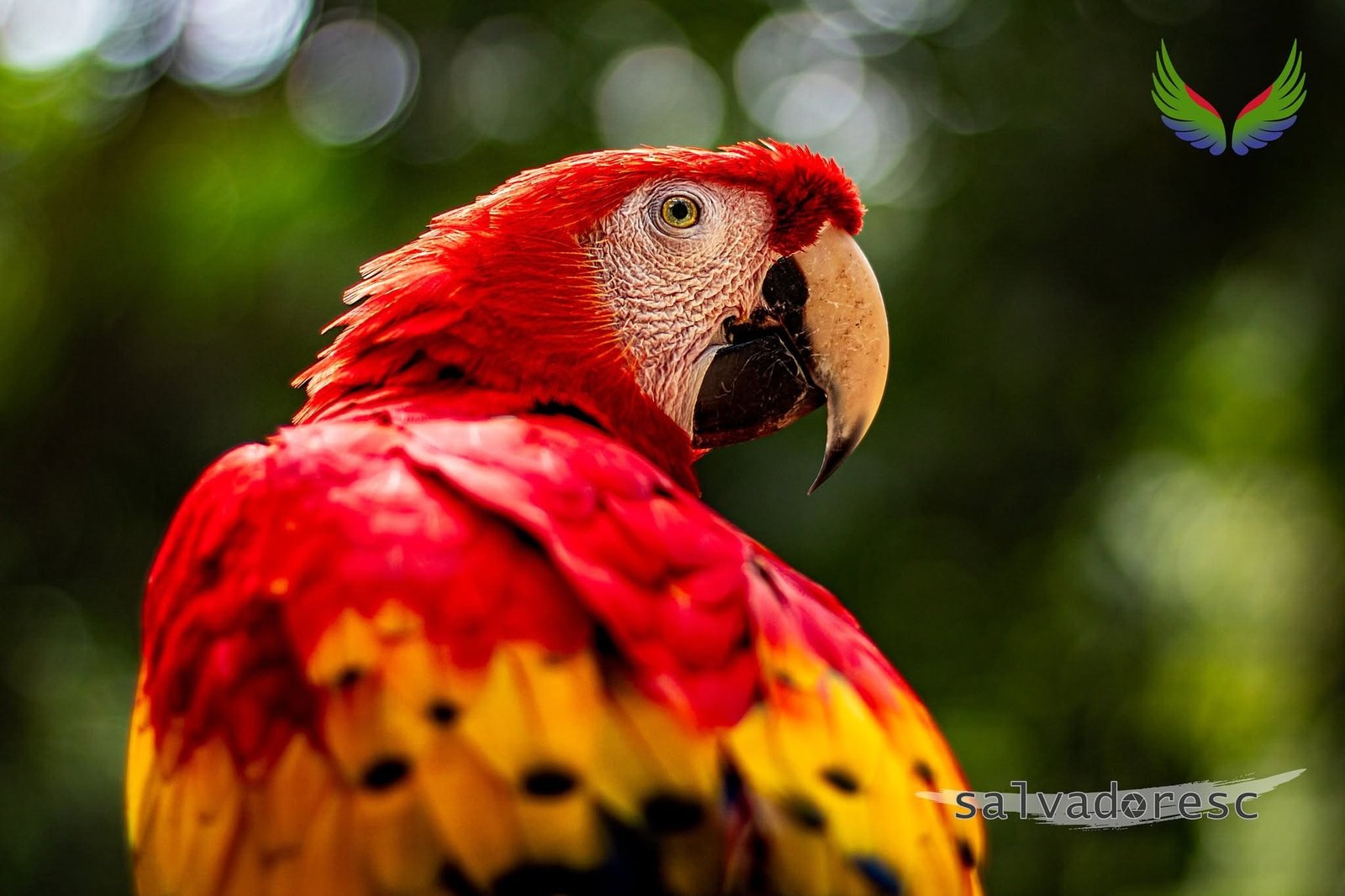
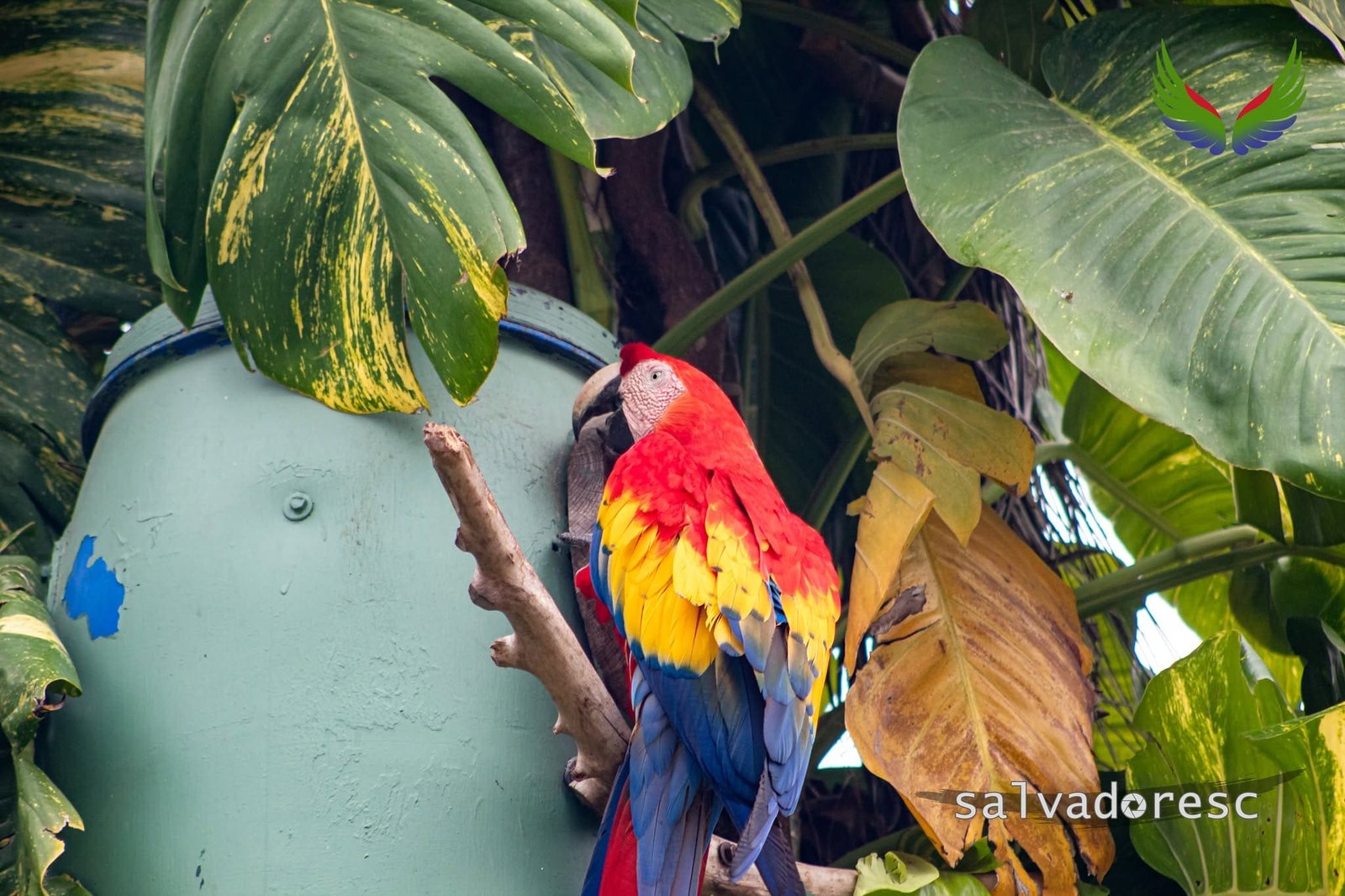
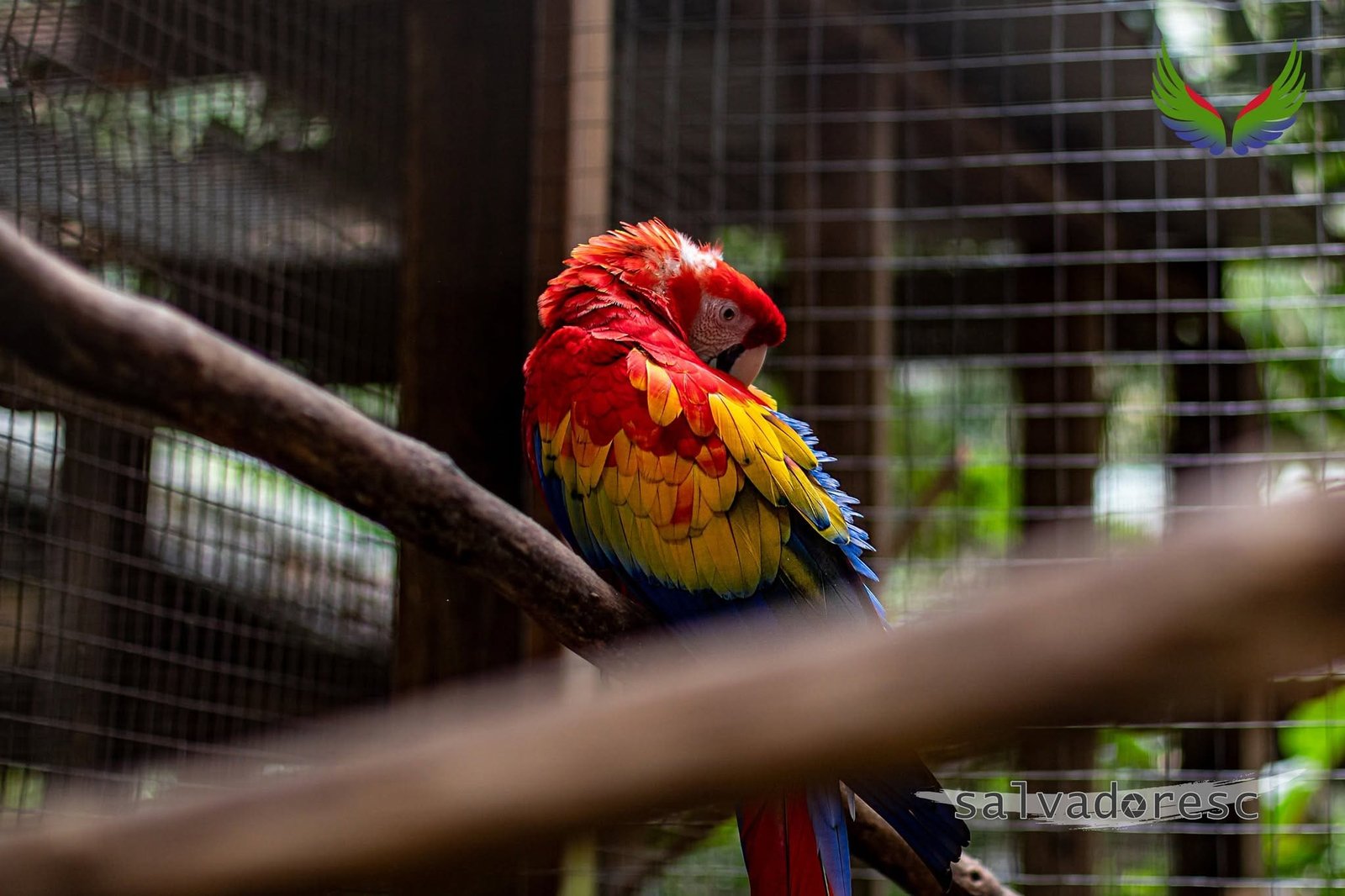
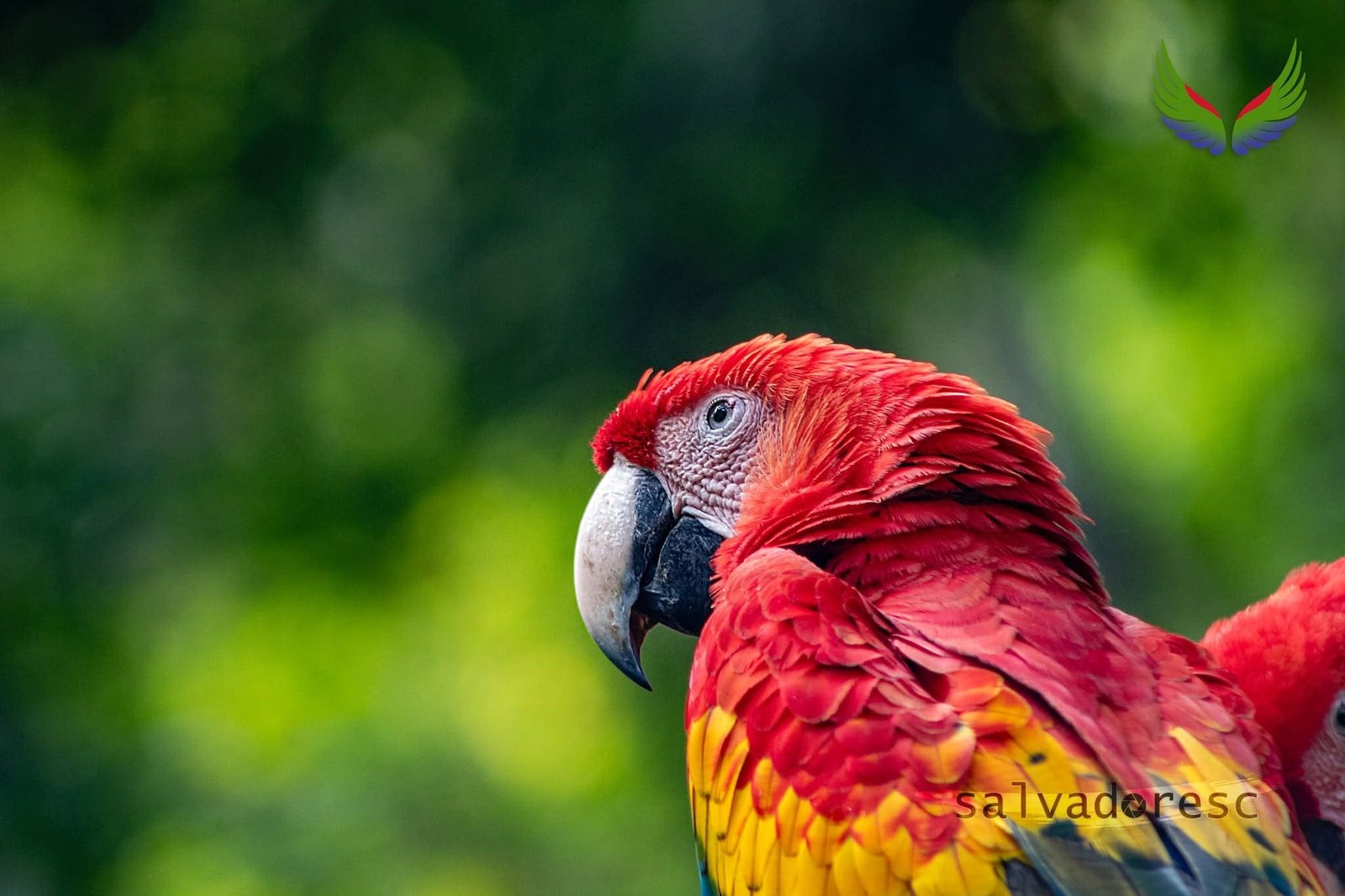
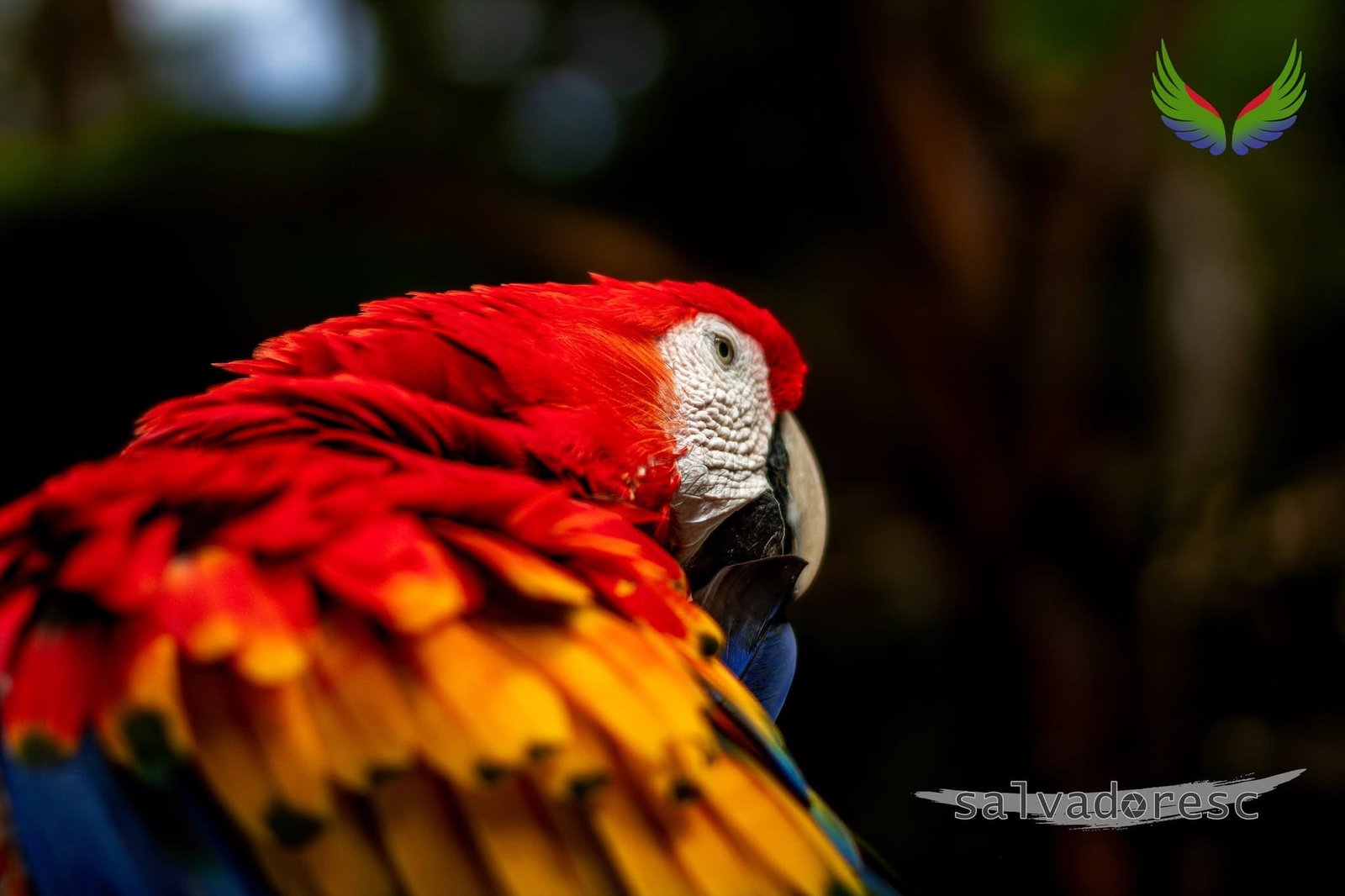
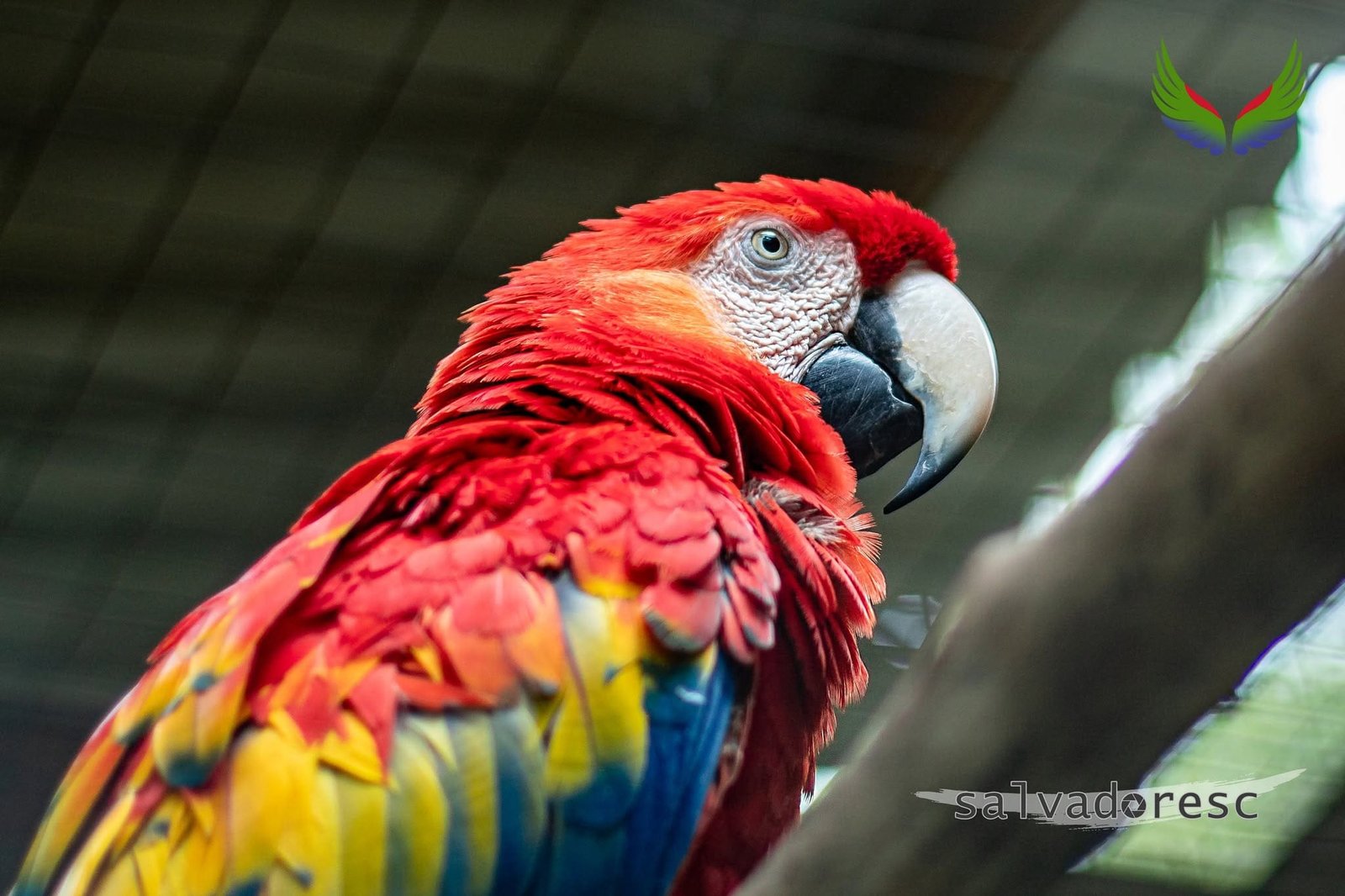
The scarlet macaws immediately command attention. Their red, yellow, and blue plumage almost seems designed to overwhelm a camera sensor, but their appeal goes far beyond color. At close range, every bird has an individual expression. The textures around the eyes, the small imperfections in a beak, the layered feathers, and the way one macaw turns to observe a visitor all reveal something more personal than the familiar postcard image.
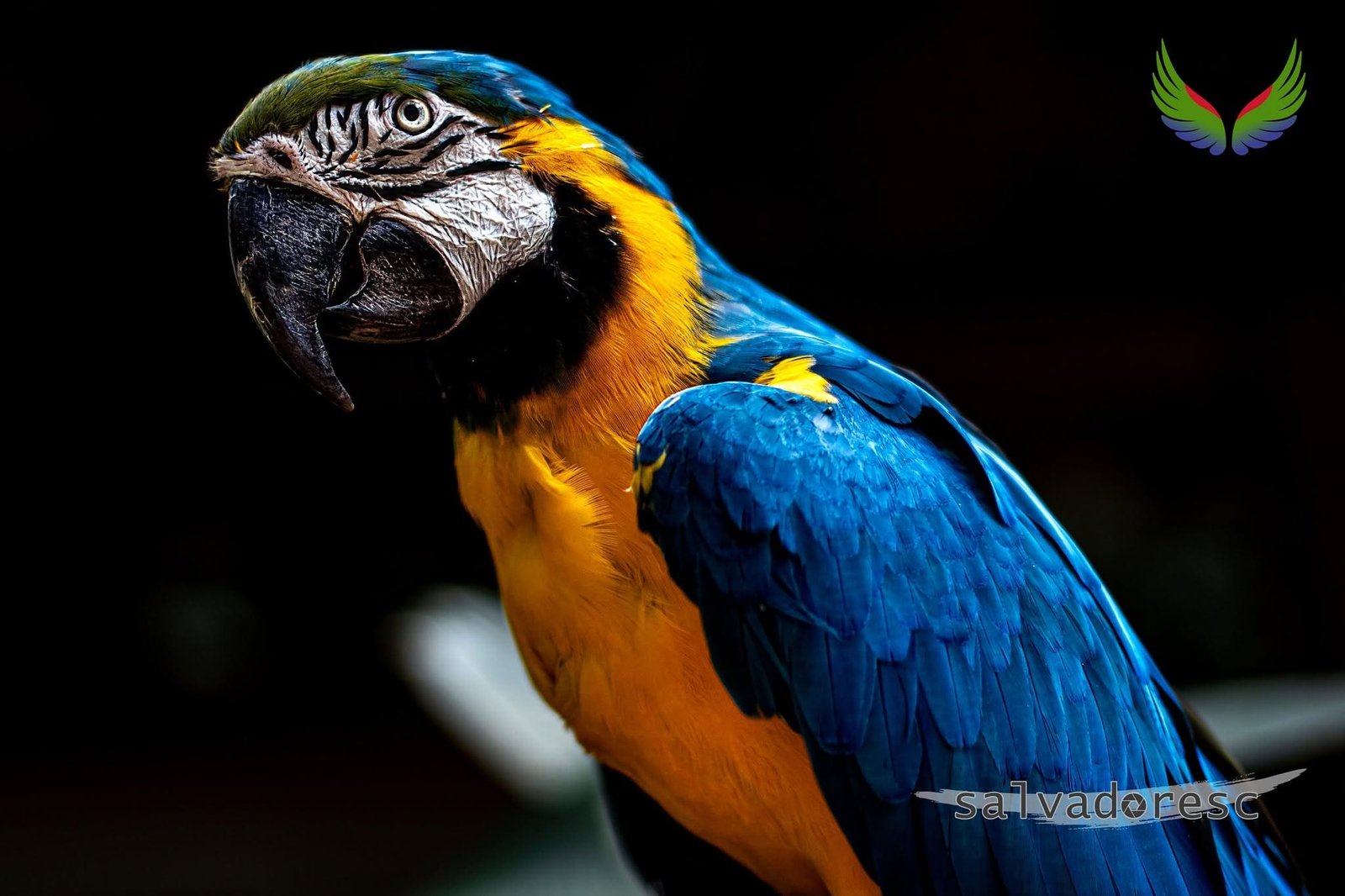
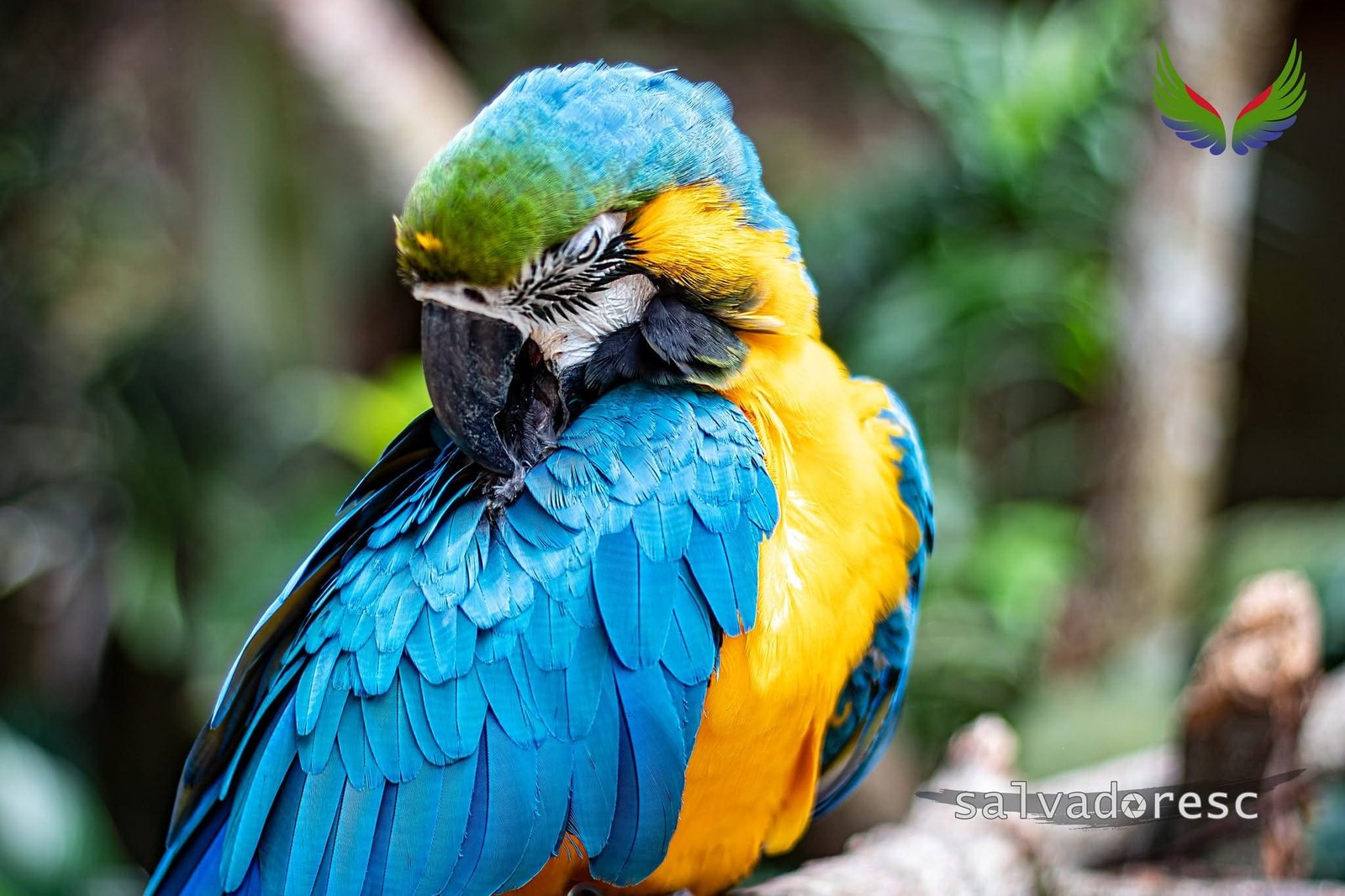
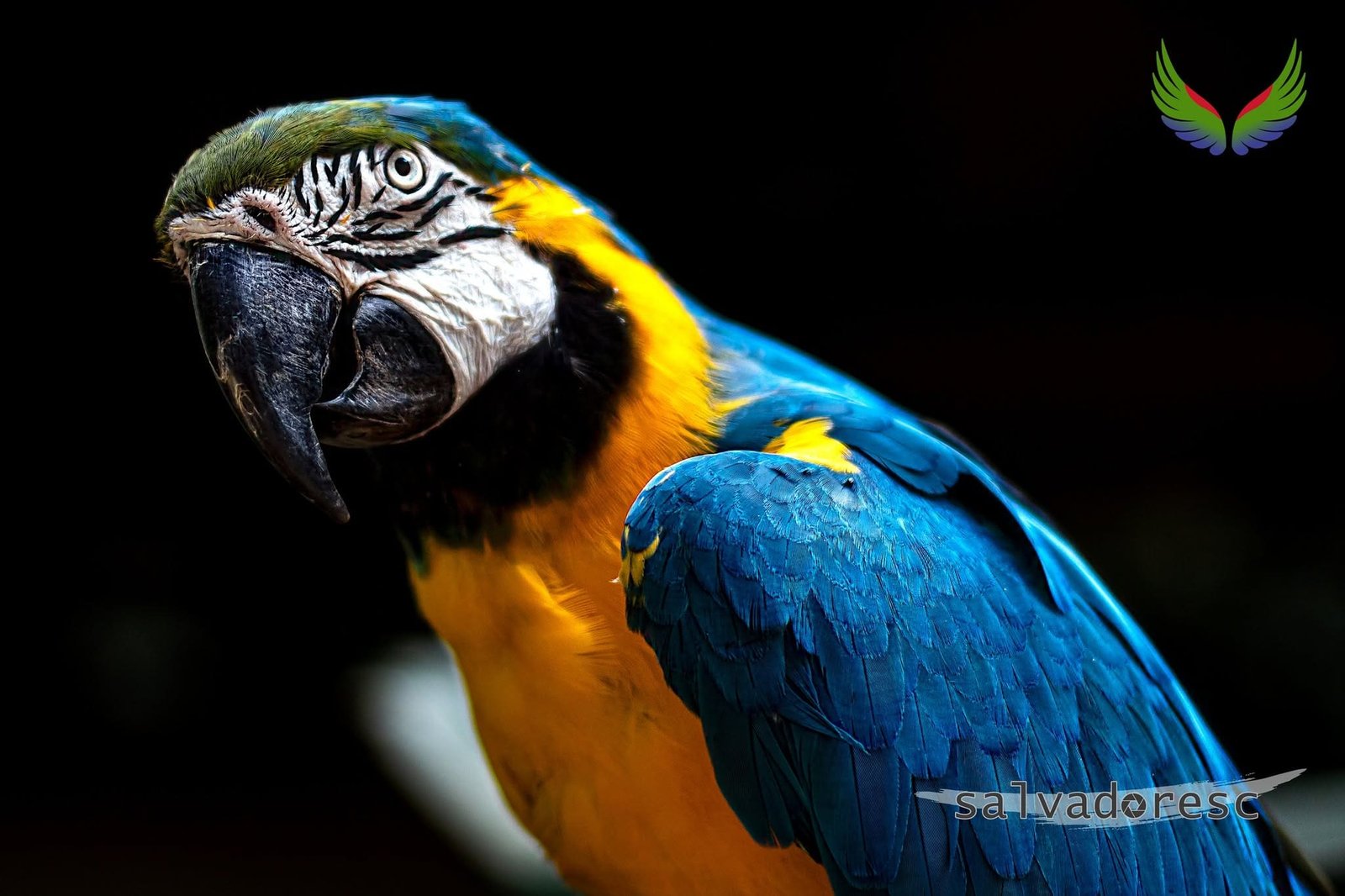
That individuality guided this series. I photographed pairs resting together, birds grooming their feathers, quiet portraits, and small gestures such as a raised foot or a glance over the shoulder. I also photographed blue-and-yellow macaws, whose saturated blue wings and golden chests created a completely different relationship with the light and surrounding forest.
A visit shaped by conservation
What made the experience unforgettable was learning that the park is not simply displaying birds. Macaw Mountain receives birds that have been rescued, donated, or entrusted to its care after confiscation. Birds capable of flying successfully may be prepared for release through the park’s conservation partner, PRO-ALAS. Birds unable to return safely to the wild can be paired with others of their species, with offspring from suitable breeding pairs later prepared for release.
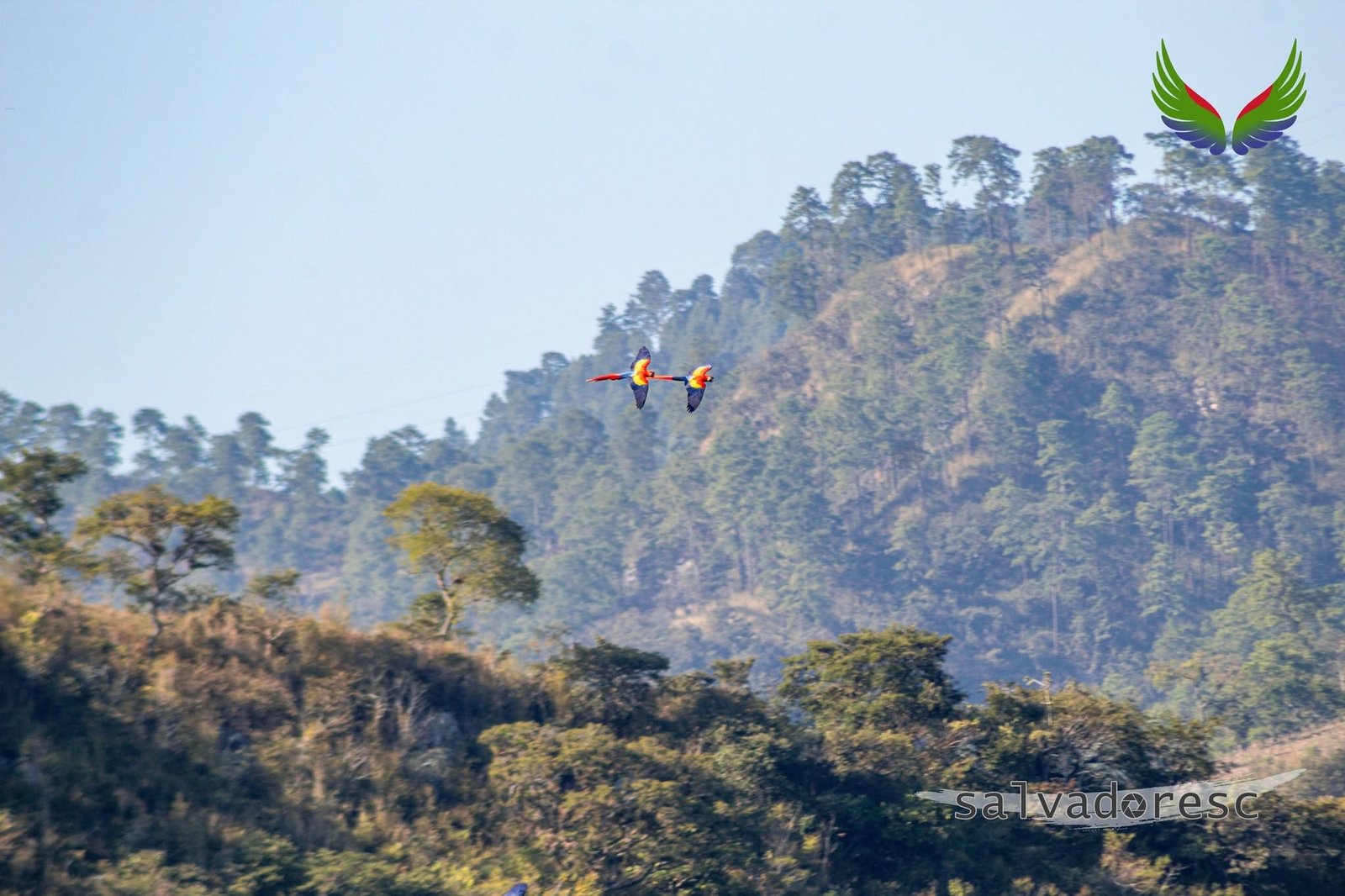
Seeing the care, rehabilitation, breeding, and release work gave the photographs a different meaning. The scarlet macaws flying freely around the Copán Valley are not only beautiful subjects. They also represent years of coordinated work and a community that has chosen to protect a species closely connected to the cultural and natural identity of the region.
One of my favorite frames from the visit shows two scarlet macaws crossing the open landscape with the hills behind them. The birds occupy only a small part of the image, but that scale is precisely what makes the photograph important to me. After working close to individual birds and carefully composing portraits, seeing macaws in flight places them back into the larger environment where conservation efforts ultimately hope they can thrive.
Photographing the birds
I photographed this visit with my Canon EOS 1300D. My photography kit includes a 50mm f/1.4, a 75–300mm telephoto, and the 18–55mm kit lens, giving me options for intimate portraits, greater working distance, and wider environmental compositions.
Bird photography rewards patience more than equipment. Macaws can remain still just long enough to establish focus and then change posture in an instant. Their eyes and facial details need to remain sharp, while backgrounds, wire, branches, and other birds can either add context or become distractions. I looked for uncluttered angles, moments of natural behavior, and backgrounds that allowed the intense color of the feathers to remain readable.
The close portraits emphasize detail and personality. Wider photographs provide the necessary context: the vegetation, aviaries, perches, and open valley all form part of the story. Together, the images document not just what the birds look like, but what it felt like to encounter them in a place dedicated to their care and future.
For someone who has loved parrots and related species for years, this visit felt like a dream fulfilled. It also reinforced why photography matters to me. A photograph can begin with fascination, but it can carry curiosity further—toward the animal, its environment, and the people working to ensure that future generations can still look up and see scarlet macaws flying over Copán.
Selected photographs
Leave a Reply